
Stainless Steel Sheet for Kitchen Cabinets: Grades, Finishes, and Best Applications
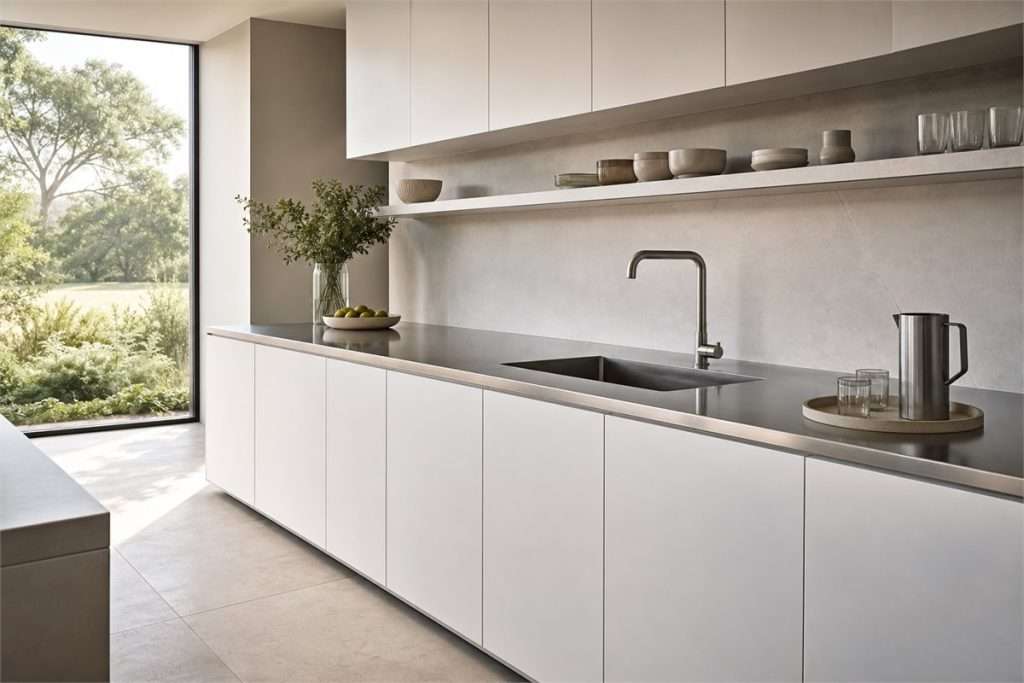
Stainless steel is no longer used only in commercial kitchens, food-processing spaces, or industrial projects. Today, it is increasingly specified for residential kitchens, apartments, hospitality projects, outdoor cooking areas, and high-moisture utility spaces. The reason is simple: a well-selected stainless steel sheet can offer durability, moisture resistance, hygiene, and a clean modern appearance.
For fabricators, builders, designers, and project buyers, choosing stainless steel sheet for kitchen cabinets involves more than selecting a metal grade. The final performance depends on where the material will be used, which surface finish is selected, how the sheet is fabricated, and how the cabinet system is engineered. This guide explains the most practical kitchen applications, compares common stainless steel grades, and outlines the specifications that matter before production begins.
Why Stainless Steel Sheet Works Well in Kitchen Cabinet Projects
Moisture Resistance Where It Matters Most
Kitchens are exposed to water more often than many people expect. Sink cabinets, dishwasher zones, utility areas, and cleaning stations all face steam, splashes, detergent, and occasional plumbing leaks. Over time, moisture can damage poorly protected wood-based cabinet panels, especially around cut edges, joints, and sink cutouts.
Stainless steel sheet provides a practical solution for these high-risk areas. When the appropriate grade is selected and seams are properly fabricated, it can help reduce common problems such as swelling, mold, edge failure, staining, and surface deterioration. This does not mean every cabinet in a home must be made entirely from metal. Instead, many successful projects use stainless steel strategically in wet zones while combining it with warmer materials elsewhere.
Hygiene, Cleaning, and Daily Durability
Stainless steel is widely used in food-related environments because it creates a smooth, easy-to-clean surface. In a residential kitchen, this is especially useful around food-preparation areas, sinks, backsplashes, countertops, and appliance zones.
A properly finished stainless steel surface can resist oil, stains, heat, and frequent cleaning better than many decorative materials. However, material grade and fabrication quality still matter. Rough welds, exposed edges, poor drainage details, or an unsuitable finish can make cleaning harder and reduce the visual quality of the finished kitchen.
Fabrication Flexibility
Another advantage of stainless steel sheet is its flexibility in fabrication. It can be cut, bent, welded, brushed, polished, and formed into cabinet doors, drawer fronts, shelves, sink surrounds, countertop skins, backsplash panels, and appliance enclosures. This makes it suitable for custom dimensions, unusual corners, integrated appliances, and project-specific layouts.
For sheet selection, thickness options, and available finishes, buyers can review stainless steel sheet specifications before matching the material to the finished cabinet design.
Best Applications for Stainless Steel Sheet in a Kitchen
Sink Base Cabinets and Wet Zones
The sink base cabinet is often one of the first areas to show wear in a kitchen. Water leaks, wet cleaning tools, detergent bottles, and daily washing can gradually affect conventional cabinet materials. Stainless steel is a strong option for sink bases, dishwasher surrounds, laundry-room cabinets, and utility storage because it can withstand repeated moisture exposure more reliably.
For this application, material selection should be combined with proper cabinet engineering. Plumbing access, drainage, sealed seams, ventilation, and a removable back panel can all help make the sink zone easier to inspect and maintain over time.
Countertops and Backsplashes
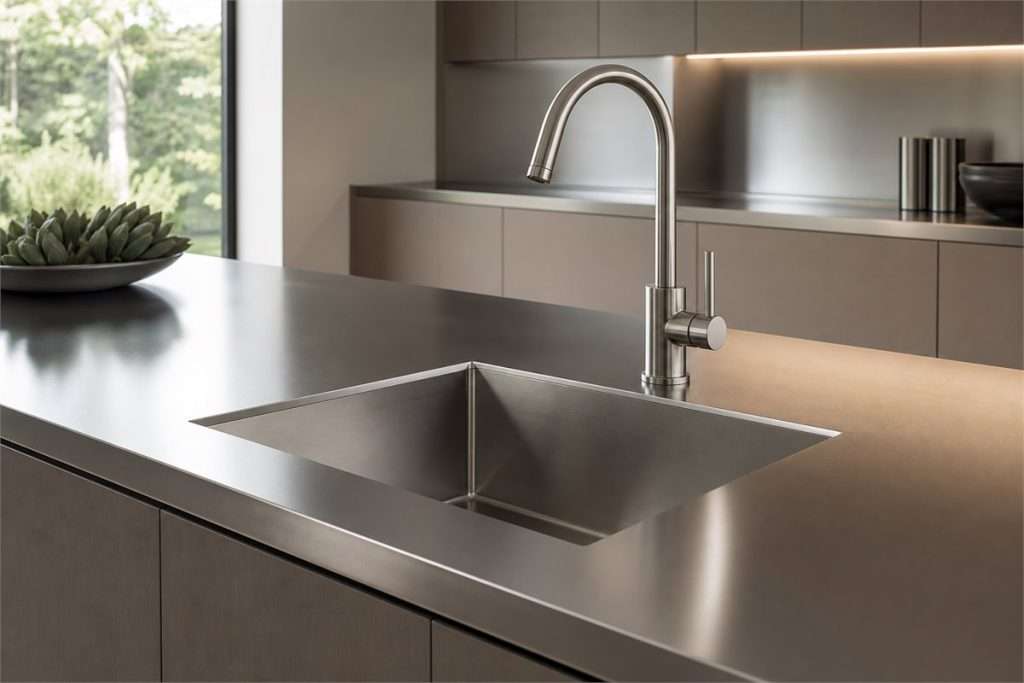
Stainless steel countertops and backsplashes are common in professional kitchens, but they can also work well in homes. They are hygienic, heat resistant, and easy to clean after food preparation. A brushed surface is often preferred because it can make fingerprints and minor scratches less obvious than a mirror-polished finish.
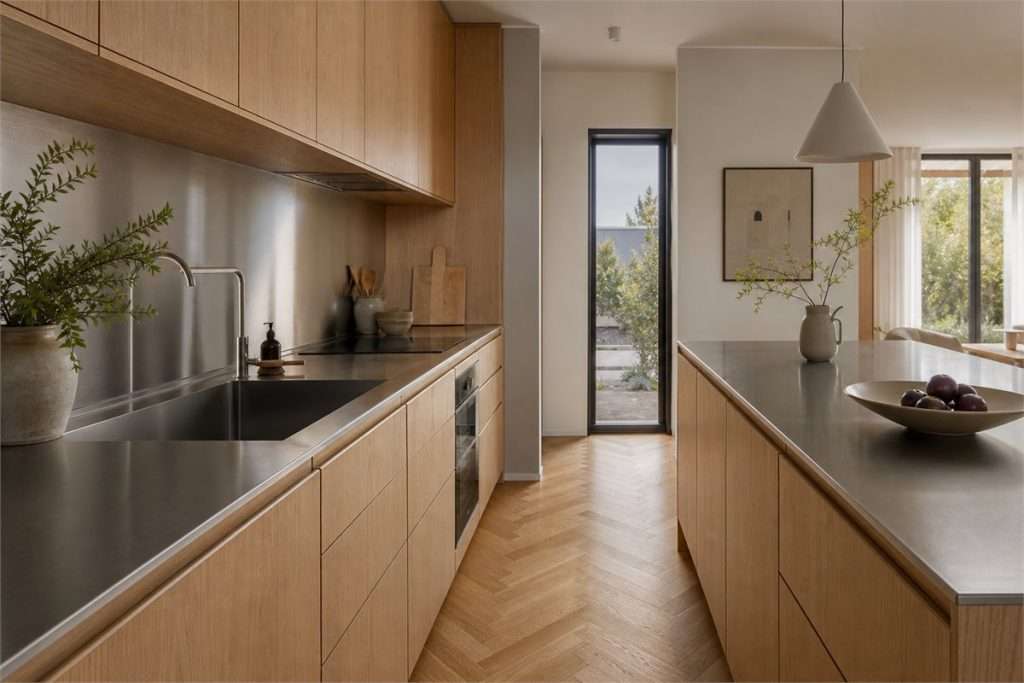
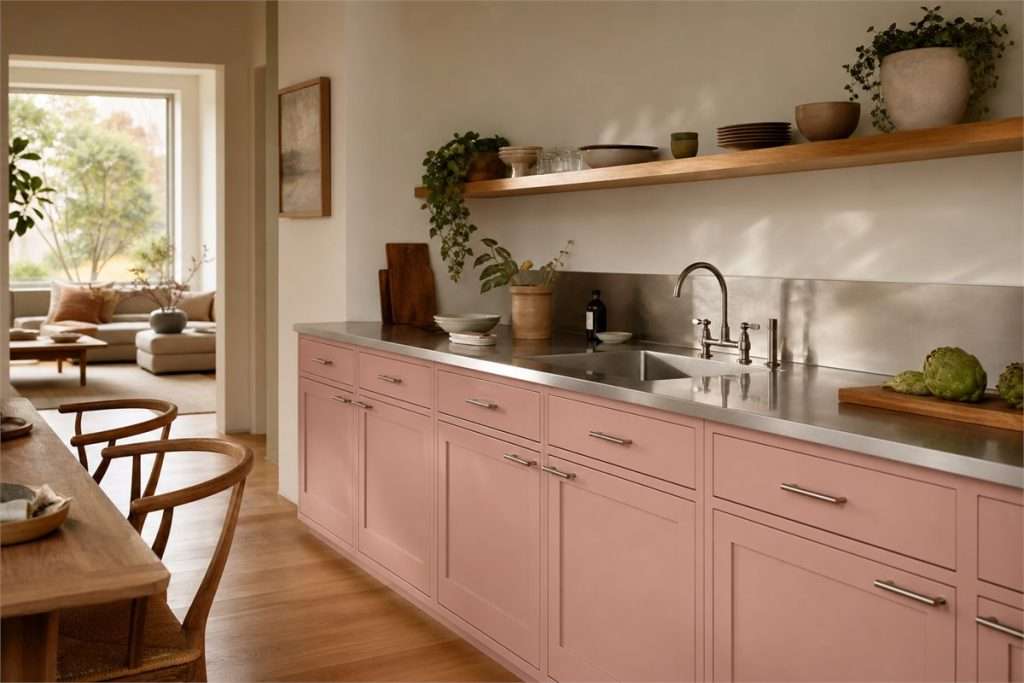
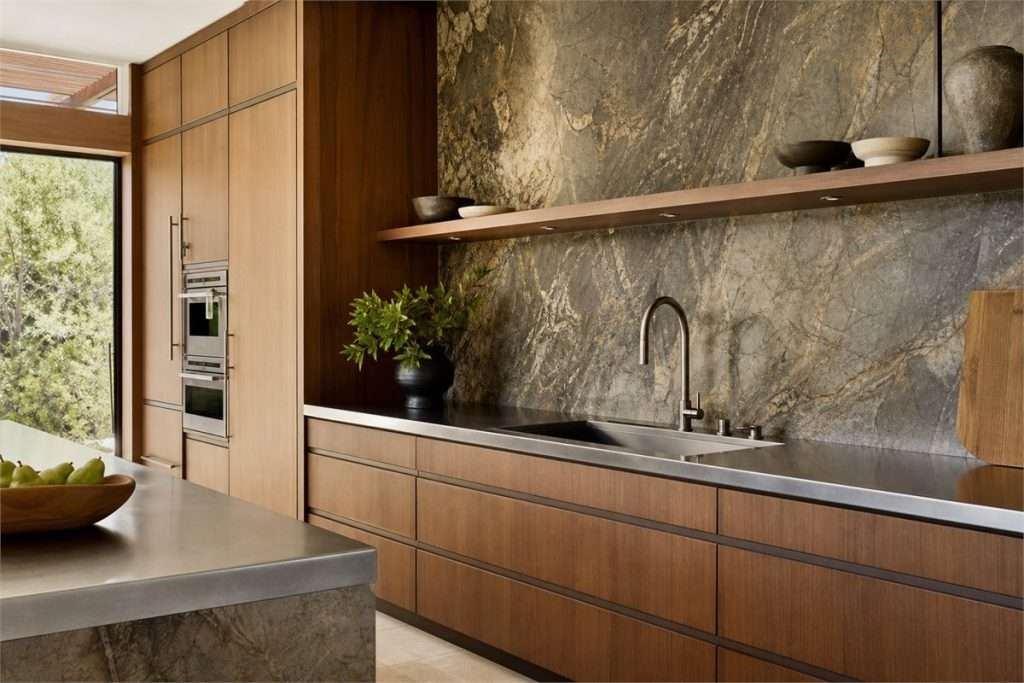
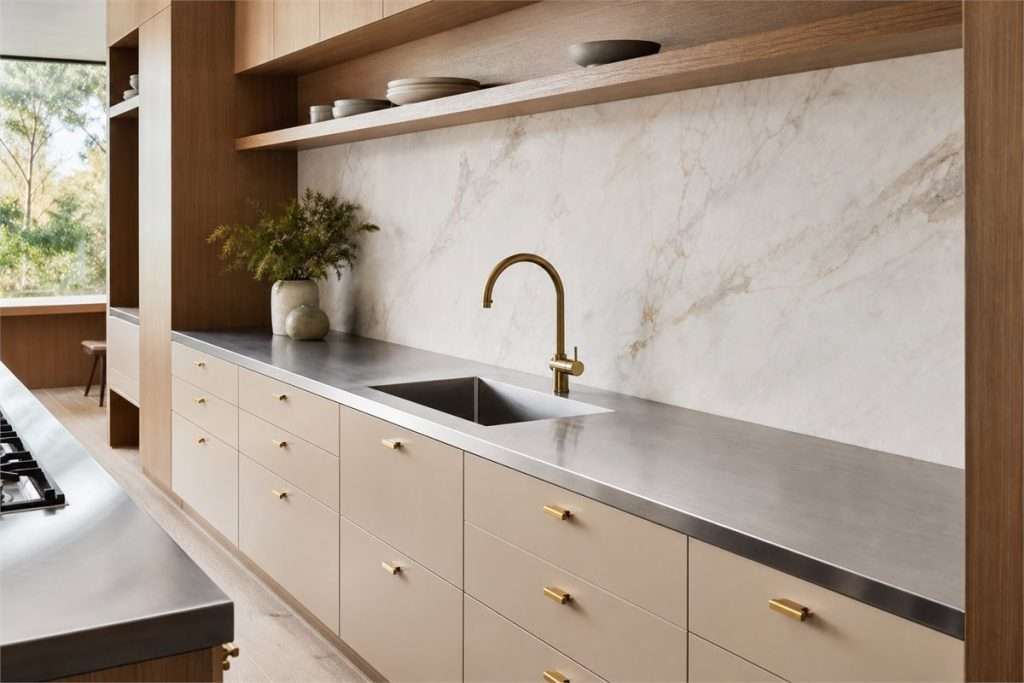
For a more residential look, stainless steel can be used selectively. For example, a stainless steel backsplash may be paired with stone countertops, while a stainless steel worktop can be balanced by wood veneer or matte cabinet doors.
Cabinet Doors, Drawer Fronts, and Tall Storage
Stainless steel sheet can also become a visible design material rather than only a hidden structural component. Brushed, hairline, matte, anti-fingerprint, textured, and decorative finishes can be used for cabinet doors, drawer fronts, appliance towers, tall storage units, and display cabinets.
In modern kitchens, a common approach is to use stainless steel on lower cabinets or high-use appliance areas while using wood, glass, stone, or painted finishes in the rest of the room. This creates a kitchen that remains durable and easy to maintain without feeling overly industrial.
Outdoor and Coastal Kitchens
Outdoor kitchens face more demanding conditions than indoor spaces. Rain, humidity, UV exposure, salt air, temperature changes, and dust can all affect cabinet materials. Stainless steel is often one of the most practical options for outdoor cabinets, barbecue areas, wet bars, and poolside storage.
For coastal or high-chloride environments, the selected grade becomes especially important. A material that performs well in a dry indoor kitchen may not offer the same long-term corrosion resistance near the sea or in humid outdoor conditions.
Rental, Hospitality, and Heavy-Use Projects
Apartments, serviced residences, cafés, and high-traffic residential projects often need materials that are durable, easy to maintain, and less likely to require early replacement. Stainless steel kitchen components can be valuable in wet, heavily used, or frequently cleaned areas.
For project buyers, the material should be evaluated together with cabinet construction, hardware quality, installation requirements, and long-term maintenance expectations. The right solution is not always a full stainless steel kitchen; in many projects, a mixed-material design provides a better balance of performance, appearance, and budget.
Choosing the Right Stainless Steel Grade
Is 304 Stainless Steel Enough for an Indoor Kitchen?
For many indoor residential kitchens, 304 stainless steel is a practical and widely used option. It offers a reliable balance of corrosion resistance, durability, availability, and cost for normal cooking, cleaning, and humidity conditions.
304 stainless steel can be suitable for indoor cabinet panels, sink areas, countertops, backsplashes, appliance panels, and storage components. However, the final decision should still consider ventilation, cleaning chemicals, local humidity, and the overall design of the kitchen.
When Should You Use 316 Stainless Steel?
316 stainless steel is generally better suited to more demanding conditions, including outdoor kitchens, coastal homes, high-humidity locations, and areas with a higher risk of chloride exposure. Its improved corrosion resistance can make it a stronger long-term choice where salt air and harsh environmental conditions are present.
Because 316 usually costs more than 304, it should be selected where the environment justifies the additional investment. Material grade should be based on actual project conditions rather than appearance alone.
Why Lower-Cost Grades Need Careful Evaluation
Lower-cost stainless steel grades may be suitable for dry, low-risk applications, but they should be evaluated carefully before being used in wet, outdoor, or coastal kitchen projects. A lower initial price may become less attractive if staining, corrosion, or replacement is required later.
Before production, buyers should confirm the grade, finish, thickness, and material documentation. The label “stainless steel” alone does not guarantee that every sheet will perform the same way in every kitchen environment.
Surface Finishes That Improve Kitchen Performance and Style
Brushed and Hairline Finishes
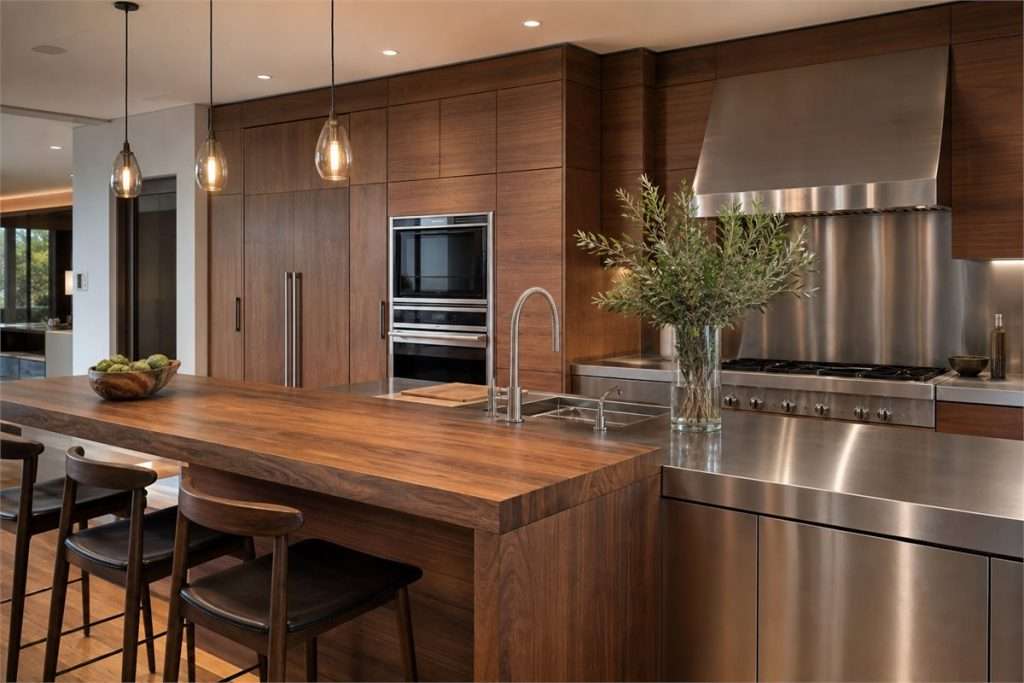
Brushed and hairline finishes are popular for kitchen applications because they create a softer visual texture than mirror-polished steel. They can also make fingerprints, water marks, and minor surface scratches less visible during daily use.
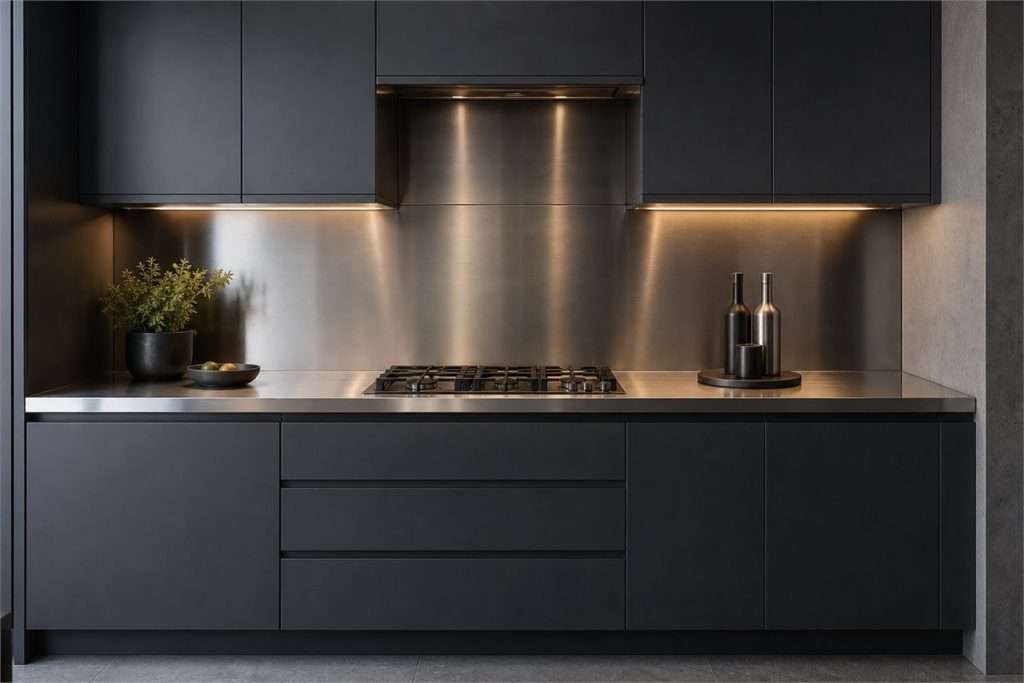
These finishes work particularly well in modern, industrial, and minimalist kitchens. They are commonly used for worktops, cabinet fronts, appliance panels, backsplashes, and accent storage units.
Anti-Fingerprint and Matte Surfaces
For family kitchens and high-touch cabinet doors, anti-fingerprint and matte stainless steel finishes can be especially practical. These surfaces help reduce the visibility of fingerprints and water marks, making the kitchen easier to maintain.
Before confirming a finish, buyers should review samples under actual project lighting. A finish that looks dark and elegant in a showroom may look different under bright natural light, warm pendant lighting, or a narrow kitchen layout.
Mirror, Patterned, and Decorative Finishes
Mirror, etched, patterned, and decorative finishes can add visual impact to a kitchen, but they are usually best used selectively. They can work well for feature panels, display cabinets, bar fronts, or accent walls, while more practical brushed finishes are used in high-contact work zones.
From Sheet Material to a Finished Cabinet System
Thickness, Reinforcement, and Cabinet Structure
Sheet thickness matters, but it is not the only factor that determines cabinet quality. A cabinet can use a relatively thick surface sheet and still feel unstable if the internal structure, corners, shelves, and drawer system are poorly designed.
A well-engineered stainless steel cabinet should feel solid, quiet, and stable in daily use. Buyers should ask about internal reinforcement, cabinet carcass construction, shelf load capacity, drawer box design, and support around heavy countertops or built-in appliances.
Fabrication Details That Affect Performance
Accurate cutting, bending, welding, edge treatment, and seam finishing have a major effect on the finished result. Good fabrication creates clean panel alignment, safer edges, easier cleaning, and a more premium appearance.
Poor fabrication may lead to visible weld marks, sharp corners, vibration, water traps, difficult cleaning, or inconsistent doors and drawers. In sink and appliance zones, the design should also account for drainage, ventilation, plumbing access, and electrical safety.
Hardware and Storage Integration
A durable metal cabinet still needs high-quality hardware. Hinges, drawer slides, pull-out storage, lift-up systems, and soft-close mechanisms all influence how the kitchen feels in everyday use.
Heavy stainless steel doors and drawers should be matched with suitable hardware capacity. Soft-close systems are particularly useful because they reduce noise and improve comfort in a metal cabinet system.
How to Combine Stainless Steel with Other Kitchen Materials
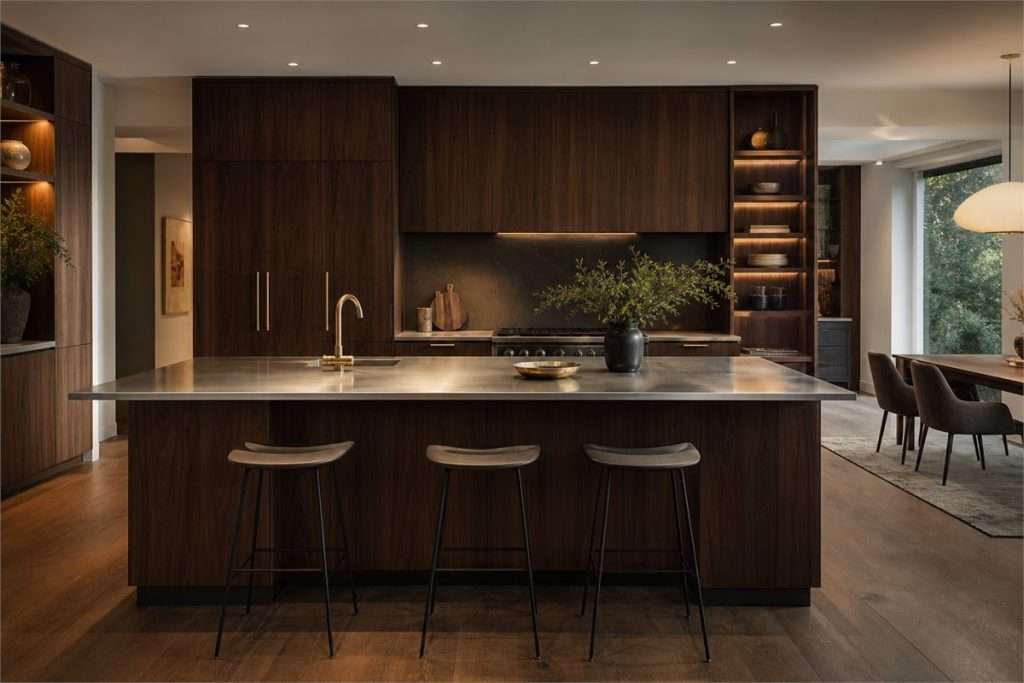
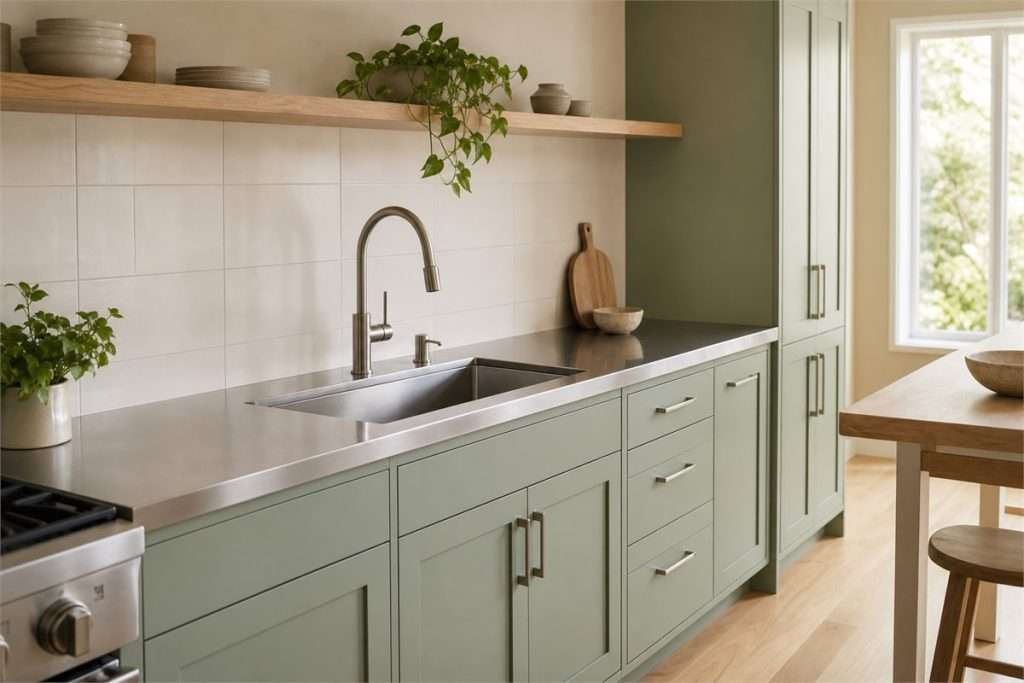
A full stainless steel kitchen can be practical and visually striking, but many homeowners prefer a warmer and more layered result. Combining stainless steel with other materials can provide both durability and residential comfort.
- Stainless steel sink cabinets with wood veneer tall cabinets.
- Brushed stainless steel countertops with matte black or warm-gray doors.
- Stainless steel appliance panels with glass display cabinets.
- Outdoor stainless steel cabinets with sintered stone or natural-stone worktops.
- Metal cabinet frames paired with textured wood, fluted glass, or integrated lighting.
The goal is not to hide the steel completely. It is to use it where its performance is most valuable while allowing other materials to create warmth, color, and visual balance.
When a Steel Supplier’s Work Ends and Cabinet Engineering Begins
Selecting the grade, thickness, and finish is the foundation of a kitchen material specification. However, a finished kitchen requires more than sheet material. Cabinet layout, storage planning, appliance sizing, hardware, ventilation, countertop detailing, and installation all determine whether the result performs well in real life.
Once the material specification is set, homeowners and project buyers can explore how these materials are turned into complete custom stainless steel kitchen cabinets designed around layout, storage, appliances, and daily use.
This is where material supply and cabinet engineering should work together: the steel must suit the environment, while the cabinet system must suit the people using it.
Stainless Steel Kitchen Cabinet Specification Checklist
- Which stainless steel grade is specified: 304, 316, or another grade?
- Is the kitchen indoor, outdoor, coastal, or high humidity?
- Which surface finish is most suitable for visible cabinet areas?
- What sheet thickness and internal reinforcement are included?
- How will edges, corners, seams, and welds be finished?
- Are sink zones designed for drainage and plumbing access?
- Are hinges and drawer slides rated for the weight of the doors and drawers?
- Is the project fully stainless steel or mixed with other cabinet materials?
- Are samples approved under the actual lighting conditions of the project?
- Is there a clear maintenance plan for the selected finish?
Frequently Asked Questions
Is 304 stainless steel good for kitchen cabinets?
Yes. For most indoor kitchens, 304 stainless steel provides a reliable balance of corrosion resistance, durability, and cost. It is commonly used for cabinet panels, sink areas, countertops, and backsplashes.
Is 316 stainless steel necessary for an outdoor kitchen?
316 stainless steel is often the stronger choice for outdoor, coastal, humid, or chloride-exposed environments because it offers improved corrosion resistance. The final decision should be based on climate and project conditions.
Do stainless steel kitchen cabinets show fingerprints?
They can, especially with polished or mirror finishes. Brushed, matte, and anti-fingerprint finishes can help reduce the visibility of fingerprints and water marks.
Can stainless steel cabinets look warm in a residential home?
Yes. Stainless steel can be combined with wood veneer, stone, glass, warm lighting, and textured finishes to create a kitchen that feels modern, durable, and inviting rather than overly industrial.
Conclusion
Stainless steel sheet offers more than a sleek appearance. When it is matched to the right kitchen zone, grade, finish, and fabrication method, it can provide excellent durability, moisture resistance, hygiene, and long-term value.
For indoor kitchens, 304 stainless steel is often a practical choice. For coastal, outdoor, or high-humidity projects, 316 stainless steel may be a better investment. Most importantly, material selection should be connected to thoughtful cabinet engineering, so the final kitchen performs as well as it looks.
For a homeowner-focused comparison of durability, maintenance, moisture resistance, and design trade-offs, see this guide to stainless steel kitchen cabinet pros and cons.
