
🧲 When to Choose 430 Stainless Steel Over 316: Cost, Performance & Environment Guide
Choosing the right stainless steel grade is critical for achieving the perfect balance between cost, corrosion resistance, and performance. Among the most common grades, 430 stainless steel and 316 stainless steel often stand out — but they serve very different purposes.
Before deciding, it’s essential to understand how salt exposure and environment influence each material’s performance.
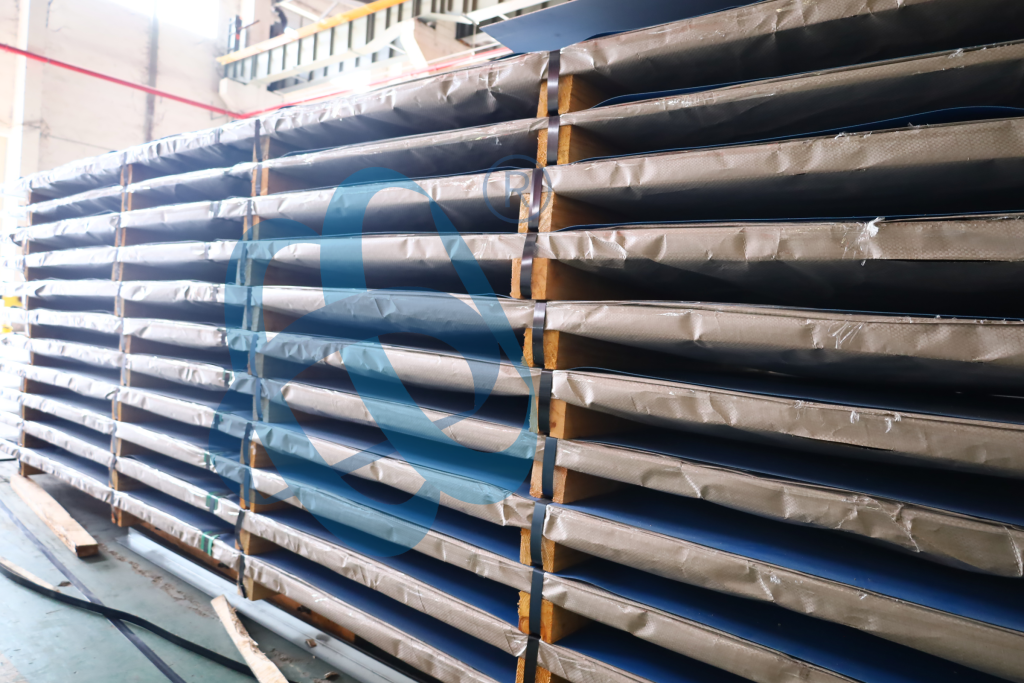
🔍 What Is 430 Stainless Steel?
430 stainless steel is a ferritic stainless steel containing approximately 16–18% chromium and no nickel.
✅ Key Features:
Good corrosion resistance in dry or non-salty environments
Excellent formability and polishability
Magnetic properties (unlike 316)
Low and stable cost due to its nickel-free composition
⚙ Common Applications:
Appliance panels (refrigerators, washing machines, microwave housings)
Interior decoration (elevator trim, wall panels, furniture)
Automotive components (mufflers, trims)
General hardware (door handles, brackets)
For indoor or low-corrosion applications, 430 offers an outstanding cost-performance ratio.
💎 What Is 316 Stainless Steel?
316 stainless steel is an austenitic grade containing chromium, nickel, and molybdenum.
✅ Key Features:
Exceptional resistance to chlorides, saltwater, and acids
Superior durability in harsh, marine, or chemical environments
Non-magnetic in most conditions
Higher cost, driven by nickel and molybdenum content
⚙ Common Applications:
Marine and coastal construction
Chemical processing equipment
Food and pharmaceutical manufacturing
Outdoor architectural projects
If your project involves salt, humidity, or harsh weather, 316 is the safest long-term choice.
⚖️ 430 vs 316 Stainless Steel Comparison Table
| Property | 430 Stainless Steel | 316 Stainless Steel |
|---|---|---|
| Structure Type | Ferritic | Austenitic |
| Nickel Content | 0% | 10–14% |
| Molybdenum Content | None | 2–3% |
| Corrosion Resistance | Good (non-salty environments) | Excellent (marine and chemical environments) |
| Magnetic | Yes | No |
| Formability | Good | Excelente |
| Cost | Low | High |
| Typical Use | Indoor, decorative, automotive | Marine, outdoor, chemical |
🌦 When Should You Choose 430 Stainless Steel?
316 stainless steel dominates in salt-rich or chemical environments.
However, 430 stainless steel can be the smarter choice in many everyday applications — especially when cost control is a priority.
✅ Choose 430 Stainless Steel If:
Environment is mild, dry, or indoors
→ Ideal for interior décor, furniture fittings, and appliance panels.Project is cost-sensitive
→ Nickel-free composition helps stabilize raw material costs.Magnetic properties are required
→ Perfect for electrical parts or designs requiring magnetism.Aesthetic appeal is needed
→ 430 can be polished to a bright finish, similar to 304 or 316.
⚠️ Salty Environment Warning — The Limitations of 430 Stainless Steel
While affordable, 430 stainless steel is not suitable for salty or chloride-heavy conditions. Without nickel and molybdenum, it is susceptible to:
Pitting corrosion
Surface staining and rusting
Reduced service life in marine or coastal areas
If your project involves seawater, de-icing salts, or saline processing, choose 316 stainless steel for superior corrosion protection and long-term durability.
🧰 Quick Selection Guide
| Situación | Recommended Grade |
|---|---|
| Indoor or dry environment | 430 Stainless Steel |
| Coastal or marine environment | 316 Stainless Steel |
| Magnetic property required | 430 Stainless Steel |
| High corrosion resistance required | 316 Stainless Steel |
| Budget-sensitive project | 430 Stainless Steel |
| Long-term outdoor exposure | 316 Stainless Steel |
💬 Expert Tip from Jude Steel
There’s no “one-size-fits-all” stainless steel.
For most indoor or non-salty applications, 430 stainless steel delivers excellent value and reliable performance at a fraction of the cost of 316.
But if your environment is marine, humid, or chemical, 316 stainless steel is your best defense against corrosion.
At Jude Steel, we provide full-range 430 and 316 stainless steel products, including:
Coils, sheets, and customized blanks
Surface finishes (BA, 2B, brushed, mirror)
Technical guidance on grade selection and processing
📞 Get a Quote or Technical Consultation
Need help choosing between 430 and 316 stainless steel?
Contact the Jude Steel technical team today for:
Material selection advice
Up-to-date pricing
Custom processing solutions
📧 support@jiscojude.com | 🌐 www.judesteel.com/www.judesteel.com
