
430 vs 304 vs 201 Stainless Steel: The Ultimate Guide to Cost-Effective Material Selection
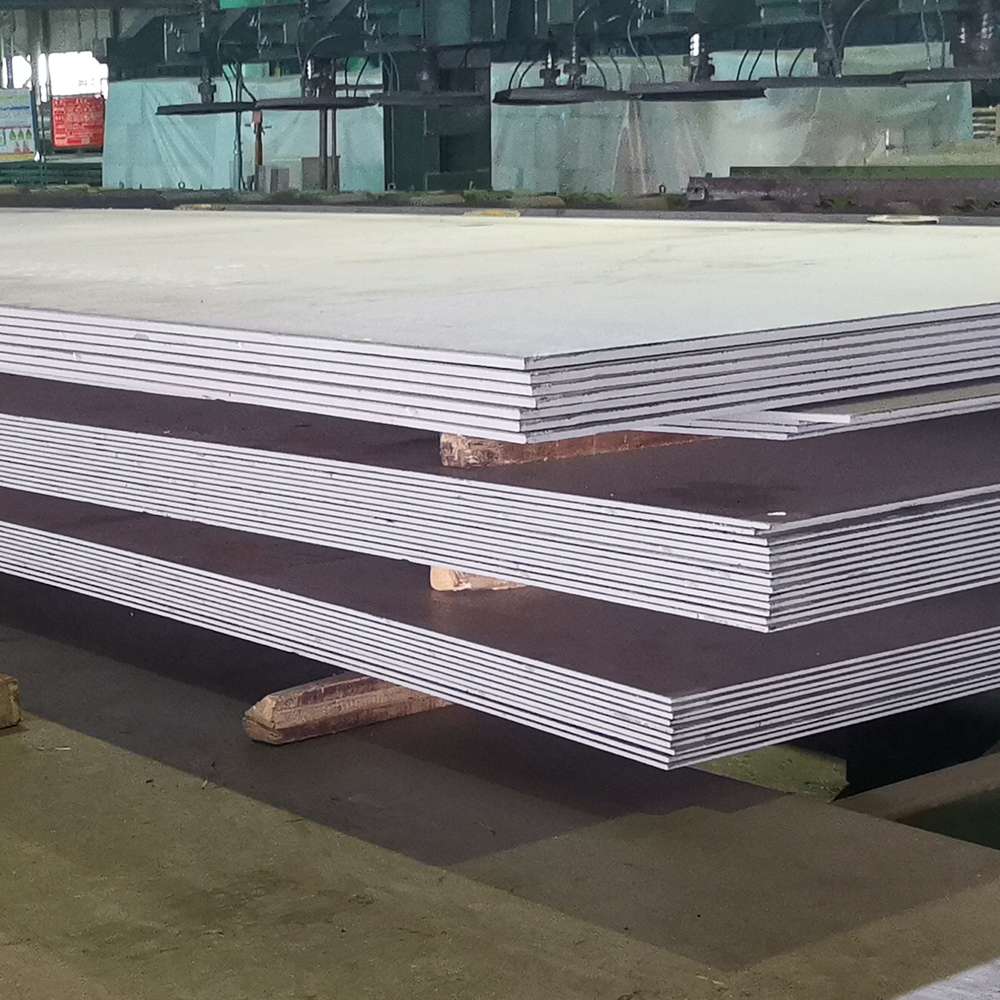
Are you struggling to decide between 430, 304, and 201 stainless steel for your next project? Searching for a material that offers the right balance between cost and performance? Jude Steel presents a detailed comparison of 430 vs 304 vs 201 stainless steel, explaining why 430 stainless steel often stands out as the most practical and budget-friendly choice — helping you reduce project costs without compromising essential quality.
- Understanding the Three Main Grades
304 Stainless Steel — The All-Rounder
Known as the benchmark austenitic stainless steel, 304 is prized for its excellent corrosion resistance, especially against rust, and its superior formability. It’s widely used in high-end kitchenware, outdoor architecture, and chemical processing equipment. However, its higher nickel (Ni) and chromium (Cr) content also make it the most expensive of the three grades.
201 Stainless Steel — The Economical Substitute
To lower costs, 201 stainless steel replaces part of the nickel content with manganese (Mn) and nitrogen (N). This adjustment makes it more affordable than 304, but at the expense of corrosion resistance—especially in humid, salty, or chloride-rich environments, where it’s more prone to pitting and rust. Over time, this can lead to higher maintenance costs, offsetting the initial savings.
430 Stainless Steel — The Cost-Performance Champion
A ferritic stainless steel, 430 contains no expensive nickel, relying primarily on chromium for corrosion resistance. This gives it a major cost advantage while still maintaining good resistance to stress corrosion cracking and a bright metallic finish. For many budget-sensitive applications, 430 is the most economical and practical stainless steel solution.
430 vs 304 vs 201 — A Direct Comparison
| Недвижимость | Нержавеющая сталь 430 | Нержавеющая сталь 304 | 201 Stainless Steel |
|---|---|---|---|
| Key Advantage | excellent corrosion resistance | Exceptional corrosion resistance | Lower cost alternative to 304 |
| Устойчивость к коррозии | Good (ideal for dry or indoor use) | Excellent (ideal for kitchen and outdoor use) | Fair (prone to pitting and rust) |
| Магнетизм | Magnetic | Non-magnetic | Non-magnetic |
| Стоимость | Lowest | Highest | Moderate |
III. Why 430 Stainless Steel Is the Smarter Choice
- Cost Control
In today’s volatile market, controlling material costs is critical. Choosing Jude Steel’s 430 stainless steel can greatly reduce procurement expenses, allowing you to allocate your budget to other key areas like processing and installation. For most projects not exposed to harsh corrosive environments, 430 offers the ideal balance between performance and price.
- Suitable Application Scenarios
304 Stainless Steel: Best for environments requiring high corrosion resistance—such as chemical processing, coastal structures, and luxury kitchenware. Using it for standard indoor projects often leads to unnecessary overspending.
201 Stainless Steel: Works for dry indoor applications but performs poorly in humid or semi-outdoor conditions, where corrosion can lead to costly maintenance—creating hidden expenses.
430 Stainless Steel: Perfect for a wide range of everyday uses, including:
Home Appliances (washing machine panels, microwave housings, range hood filters)
Interior Decoration (trim, profiles, furniture fittings)
Automotive Components (exhaust parts)
General Hardware (door handles, brackets)
In these applications, 430 offers sufficient corrosion resistance, stable quality, and even beneficial magnetic properties for certain electrical uses.
- Long-Term Value
Compared with the more variable quality of 201, 430’s chemical composition is more stable, ensuring predictable performance in heat resistance and processing. Choosing Jude Steel’s 430 stainless steel isn’t just about saving money—it’s about securing long-term reliability, reducing the risk of corrosion-related failures and safeguarding your brand reputation.
- When to Choose 430 Stainless Steel
430 is the optimal choice if your project meets any of these conditions:
You need to control material costs without compromising quality.
The application is primarily indoors or in low-humidity conditions.
You want the appearance and feel of stainless steel without the high cost of 304.
Your field includes appliance manufacturing, interior design, automotive parts, or general hardware.
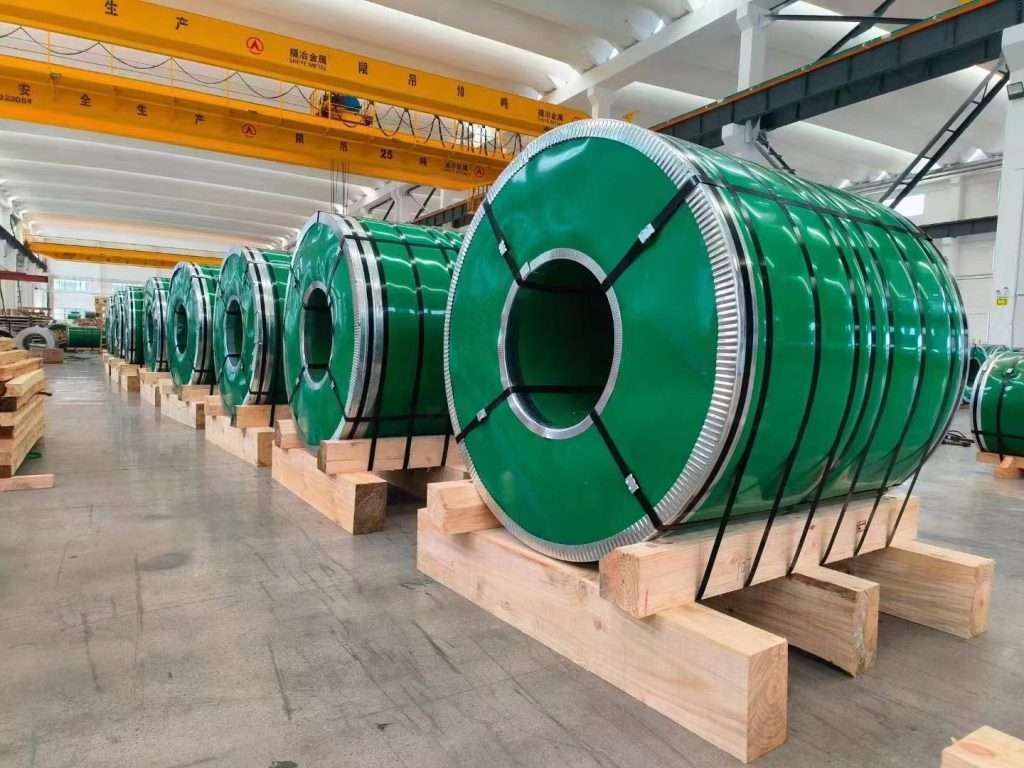
Key takeaway: Choose Jude Steel, your reliable partner for high-quality 430 stainless steel, available in coils, sheets, and custom specifications.
—
- Quality Matters — Why Jude Steel’s 430 Stainless Steel Stands Out
Not all 430 stainless steel is equal. Inferior materials can suffer from uneven composition, surface defects, or inconsistent hardness, leading to higher processing costs.
Jude Steel ensures top-tier quality through strict control from raw material selection to final processing, including:
Superior surface finish — ideal for decorative and visible parts
Stable hardness — supports bending, deep drawing, and forming
Consistent corrosion resistance — reliable batch-to-batch performance
Whether your project involves deep drawing, bending, polishing, or welding, Jude Steel’s 430 stainless steel provides stable, predictable performance every time.
—
- Conclusion: The Right Steel for the Right Project
There’s no “one-size-fits-all” stainless steel — only the grade that best fits your needs.
If your goal is to control costs while maintaining solid performance in indoor or low-corrosion environments, then 430 stainless steel is undoubtedly the cost-performance champion in the 430 vs 304 vs 201 comparison.
VII. Get a Quote or Technical Support
Need the latest 430 stainless steel price, coil specifications, or technical data (e.g., chemical composition, mechanical properties)?
Contact the Jude Steel sales team today for customized support — and let cost-effective 430 stainless steel drive your project’s success.
